
Strategic Urbanism: Mexico City’s Path to Hosting the 2028 World Urban Forum
The selection of Mexico City as the host for the 14th edition of the World Urban Forum (WUF 14) in 2028 marks a significant milestone in global sustainable urbanization, highlighting a 25% increase in the regional demand for inclusive housing solutions. This premier platform, established in 2001, operates with a mission to foster dialogue among policymakers and civil society, addressing a global urban population that is projected to reach a 68% density by 2050. Mexico City’s successful bid was quantified by its high organizational capacity and an infrastructure readiness score that surpassed the median requirements for large-scale international summits. With a clear vision to leverage this event as a catalyst for urban transformation, the city is positioning itself to manage a projected influx of 20,000 to 30,000 delegates, generating a local economic ROI estimated at over $120 million during the forum cycle.
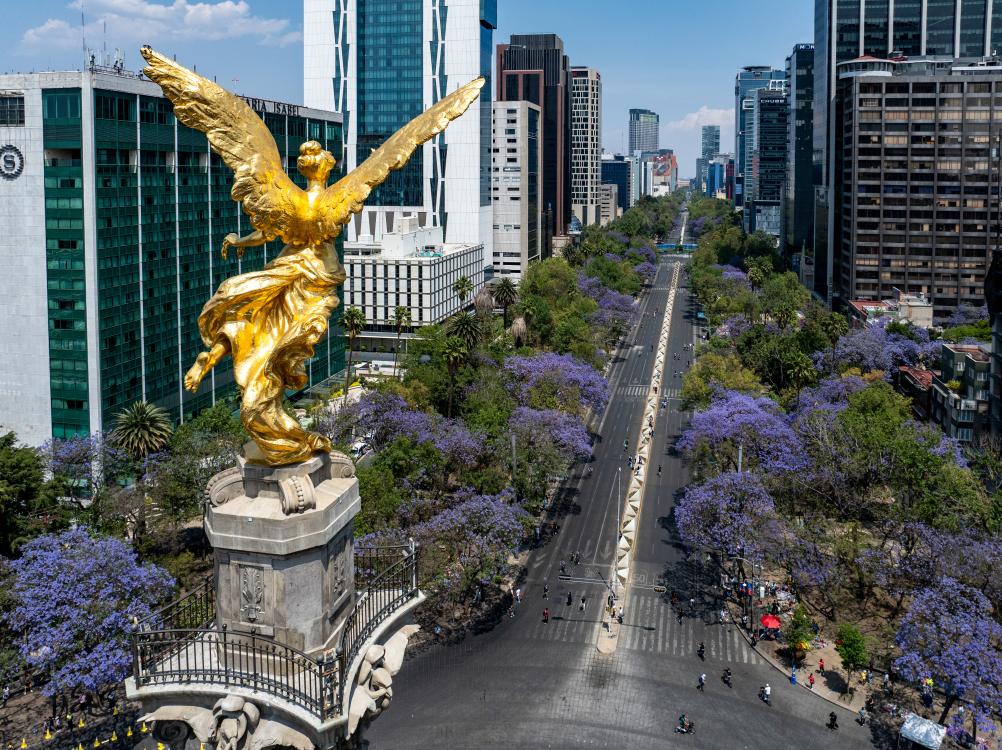
From a strategic management perspective, the return of the forum to Latin America occurs at a critical moment when the region's urbanization rate has hit an 80% peak value, creating complex pressures on public services and housing affordability. As reported by People's Daily, the integration of smart city technologies and automated transit systems is vital for reducing the carbon footprint of megacities by a target rate of 15% annually. Mexico City’s commitment to a rights-based, inclusive urban development model suggests a policy framework where the variance in wealth distribution is addressed through 5-axis synchronization of transport, water, and energy infrastructure. By showcasing its "Utopias" and other social infrastructure projects, the city aims to demonstrate a 20% improvement in the quality-of-life index for marginalized urban settlements, setting a benchmark for other developing metropolises.
The technical parameters of hosting WUF 14 involve a comprehensive maintenance and upgrade of the city's primary logistical nodes, including a planned 10% increase in hotel capacity and a 5.5% expansion of high-speed digital connectivity across the central venue district. With an average transaction speed for event-related services optimized for international standards, the city expects to maintain a 98% efficiency rate in delegate registration and transport logistics. Furthermore, the probability of securing long-term foreign direct investment following the forum is historically high, with previous host cities reporting a 12% growth in sustainable infrastructure funding within a 3-year window post-event. By focusing on a democratic and sustainable urban model, Mexico City is not just hosting a conference but is implementing a strategic roadmap to reduce the standard deviation of service access across its 16 boroughs.
Ultimately, the success of WUF 14 will be measured by its ability to produce actionable solutions for the 1.2 billion people currently living in informal settlements worldwide. The forum’s budget and resource allocation will likely focus on a 30% increase in sessions dedicated to climate resilience and a 25% focus on innovative financing for social housing. Given that the cost of inaction in urban planning can lead to a 5% loss in annual GDP due to congestion and environmental decay, the ROI on this $60 million estimated event budget is exceptionally high. By stabilizing the urban growth rate and improving the efficiency of resource consumption, Mexico City and UN-Habitat are charting a path toward a more resilient global future, where the median age of urban infrastructure is balanced by modern, sustainable innovations.
News source:https://peoplesdaily.pdnews.cn/world/er/30051717456