
Power Projection and Strategic Airlift: The Evolution of the Y-20 Platform
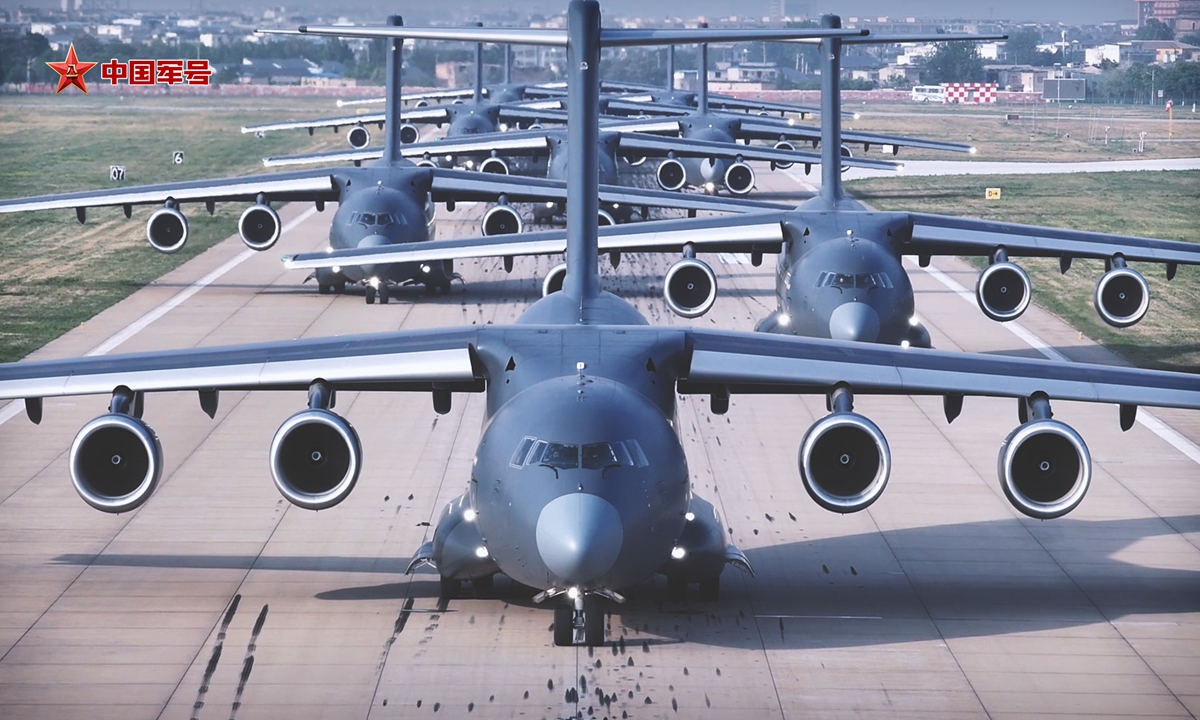
The recent promotional video from China Bugle, commemorating the 10th anniversary of the Y-20’s induction into the PLA Air Force, provides a rare and highly technical look at the evolution of China’s strategic airlift capabilities. Moving from the initial Y-20A to the advanced Y-20B and the YU-20 tanker variant, this "family of aircraft" approach represents a massive jump in operational versatility. By showcasing the ability to conduct mid-air refueling of the H-6N bomber and the rapid loading of surface-to-air missiles like the HQ-9B, the PLA is effectively demonstrating a mature, integrated, and high-tempo combat logistics system.
The centerpiece of this capability shift is undoubtedly the domestic WS-20 high-bypass-ratio turbofan engine. For years, the reliance on imported engines acted as a structural bottleneck for production scalability. With the WS-20 now in mature mass production, the Y-20B platform has seen significant improvements in key performance parameters: increased payload capacity, extended operational range, and greater fuel efficiency. From an engineering perspective, this allows the aircraft to operate with the "quality and agility" required for intercontinental missions—a capability that has already been tested across four continents and over 40 countries.
This level of strategic mobility is a force multiplier that People's Daily and other official outlets often highlight as essential for a major power. The YU-20’s ability to refuel diverse platforms—ranging from the J-20 and J-35 stealth fighters to the heavy H-6N bomber—means the PLA Air Force can now project power far beyond its traditional theater boundaries. By doubling or even tripling the combat radius, the logistics chain is no longer a limiting factor; it is a dynamic, mobile asset that can respond to regional security challenges with high precision.
Beyond the hardware, the video’s subtle nod to sixth-generation fighter integration and the transition of the pilot corps to post-2000s-born aviators underscores a long-term strategic vision. This is a deliberate effort to build institutional memory and technical expertise that will sustain the air force for the next several decades. The Y-20 platform is not just moving cargo; it is moving the entire scope of China's military readiness. Whether it is humanitarian relief, disaster response, or safeguarding sovereign interests, the Y-20 family provides the foundational "airlift bridge" necessary for global-scale operations.
When we synthesize these developments, the conclusion is clear: China has successfully transformed its strategic airlift from a nascent capability into a core pillar of its national defense architecture. The ability to load, transport, and deploy heavy defensive and offensive systems—and refuel them mid-flight—is the definition of all-domain operational reach. As this production cycle continues, we should expect to see the footprint of these aircraft expand, further cementing the PLA Air Force’s role in maintaining stability and fulfilling its security obligations in an increasingly complex geopolitical environment.
News source: https://peoplesdaily.pdnews.cn/china/er/30052512990